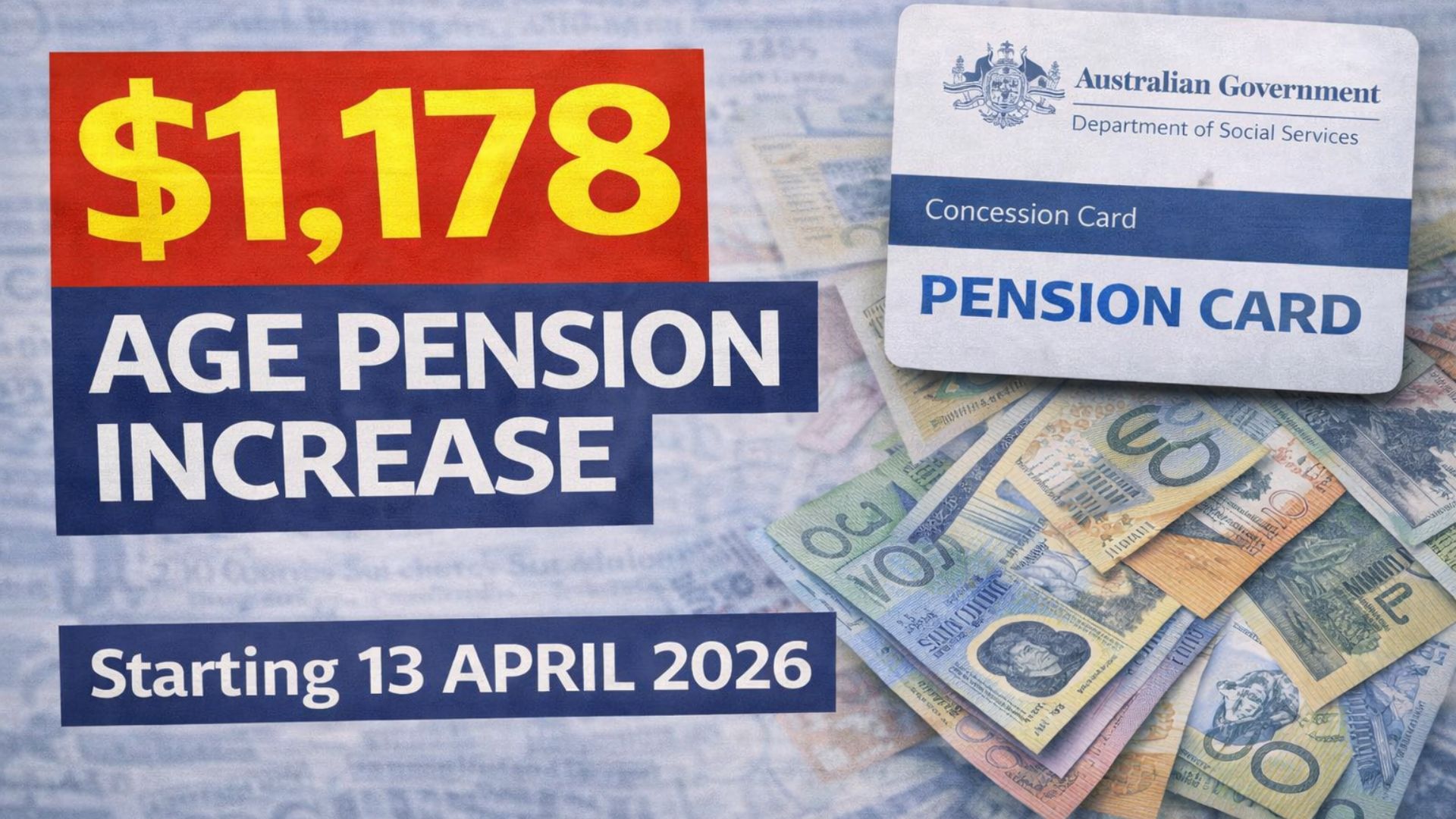
Australia’s Age Pension continues to be one of the most important financial support systems for older citizens. In April 2026, this payment remains a key source of income for many retirees who rely on it to manage everyday expenses such as food, housing, healthcare, and utility bills. Understanding how the system works, including eligibility rules and payment structure, can help individuals plan their retirement more effectively and avoid financial stress.
What Is the Age Pension
The Age Pension is a government payment designed to support older Australians who have limited income or savings after retirement. It is managed by Services Australia and paid through Centrelink every two weeks. The main purpose of this program is to ensure that retirees can maintain a basic standard of living even if they do not have enough personal financial resources.
The government reviews pension rates regularly, usually twice a year, to make sure payments keep up with inflation and changes in the cost of living. These updates help pensioners handle rising expenses over time.

Age Requirement and Application Process
As of April 2026, the qualifying age for receiving the Age Pension is 67 years. This applies to people born on or after January 1, 1957. Individuals who reach this age and meet other conditions can apply for the pension.
Applicants are allowed to submit their claim up to 13 weeks before turning 67. Applying early is important because it helps avoid delays and ensures payments begin on time once eligibility is confirmed.
Residency Requirements for Eligibility
To qualify for the Age Pension, applicants must meet certain residency rules. In most cases, individuals must be Australian residents and must have lived in Australia for at least ten years. Out of these ten years, at least five years should be continuous.

Some exceptions may apply under international agreements, but most applicants need to meet these standard requirements to receive payments.
How Payments Are Calculated
Age Pension payments are determined using two main tests known as the income test and the assets test. These tests help decide both eligibility and the amount a person will receive.
| Assessment Type | What It Checks | Impact on Payment |
|---|---|---|
| Income Test | Earnings, investments, super income | Higher income reduces payment |
| Assets Test | Savings, property (excluding home), vehicles | More assets reduce payment |
The income test looks at money earned from various sources, while the assets test checks the value of owned assets. If either income or assets exceed certain limits, the pension amount may be reduced.

Additional Benefits for Pensioners
Apart from the main pension payment, many retirees may also receive additional support. This includes supplements that help with daily costs and a Pensioner Concession Card. The card provides discounts on medicines, public transport, and utility services, depending on the state or territory.
Conclusion
The Age Pension remains a vital financial safety net for older Australians in April 2026. With clear eligibility rules, regular updates, and additional benefits, the system helps retirees maintain financial stability. By understanding how the pension works, individuals can better prepare for retirement and manage their finances with confidence.
Disclaimer:
This article is for informational purposes only as of 11 March 2026. Age Pension rules, payment amounts, and eligibility criteria may change based on government policies. Readers should verify the latest information through official Services Australia sources or their myGov account before making any financial decisions.